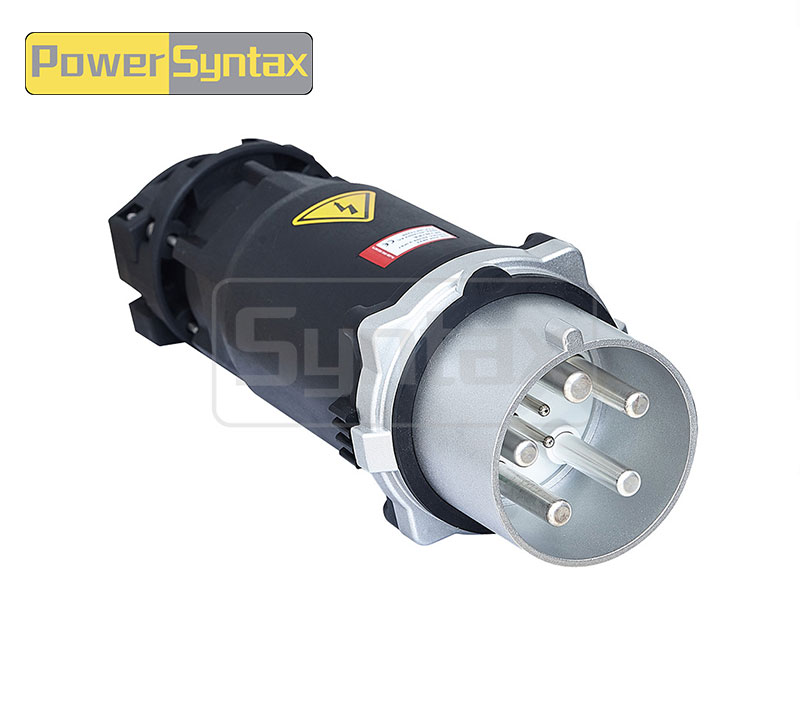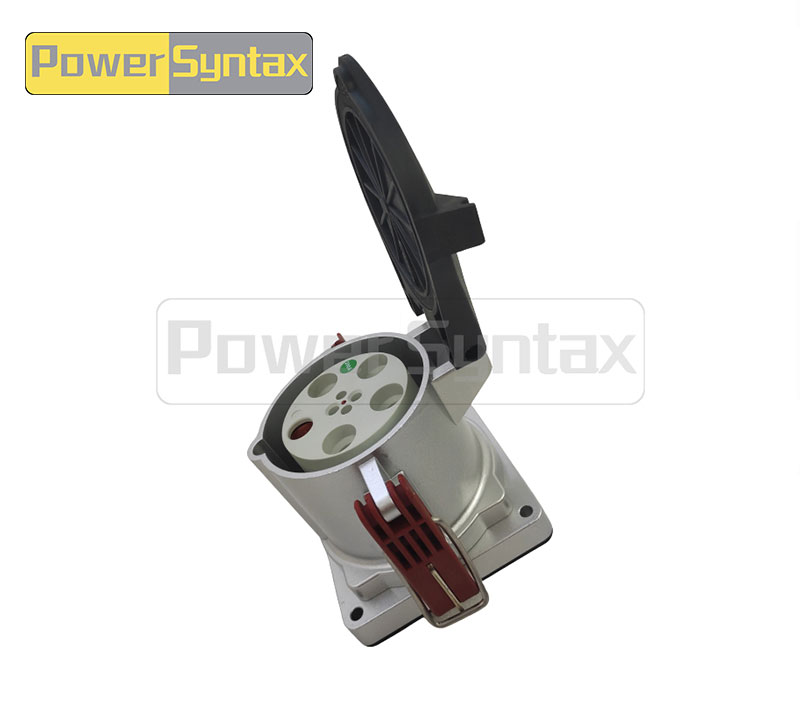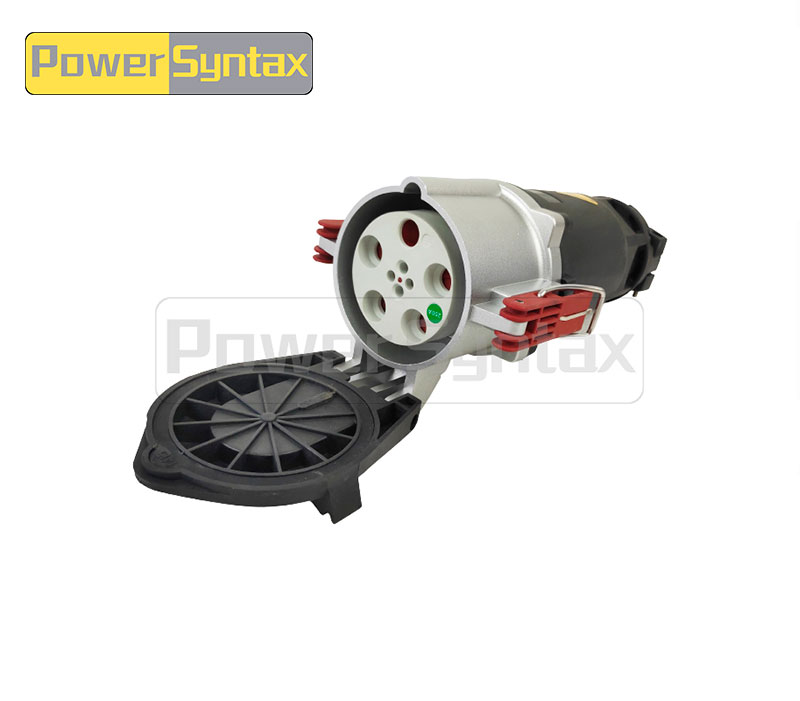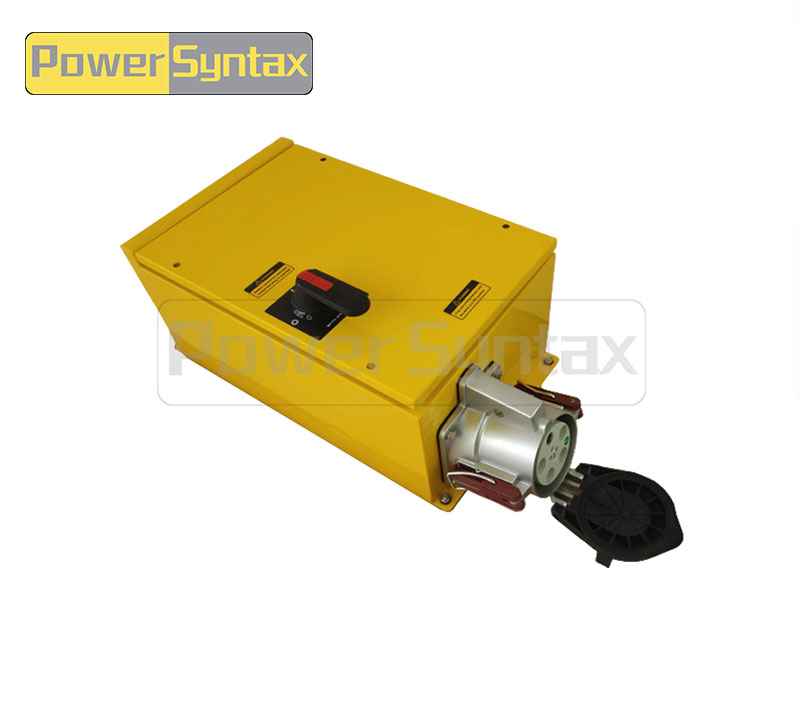

What Takes the Place of Ordinary Plugs? A Shore Power High Current Plug and Socket
Walk any working waterfront. Ships are tethered to shore power, pulling hundreds of amps through thick cables. Those connectors sit in salt spray, rain, vibration, and constant plugging cycles. Standard industrial plugs corrode in months. Seals fail. Contacts overheat. The ship loses power, the port loses money. This guide explains the engineering that makes a purpose‑built shore power high current plug and socket truly seaworthy – from international standards and electropolished housings to ferrule crimp terminals, IP67 sealing, and Six Sigma manufacturing.
The Marine Environment Is Unforgiving – Ordinary Connectors Don’t Last
A ship at berth needs electricity for refrigeration, lighting, pumps, and crew facilities. All that power passes through one connection: a high‑amperage plug and socket. But the dock is not a factory floor. Saltwater attacks metal. Humidity breaks down insulation. Dock traffic vibrates everything loose.
Most industrial plugs are designed for dry, stable indoor use. Put them on a pier, and they fail fast. That’s why dedicated shore power high current plugs and sockets (second mention) exist. They are engineered to a different standard – literally.
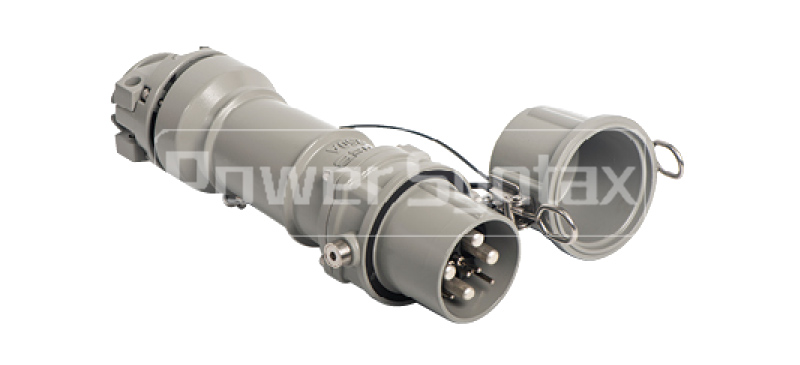
Built to International Standards – The First Sign of Reliability
The first mark of a reliable marine connector is compliance with recognized standards. Any serious shore power connection should follow:
-
IEC 309‑5 – International standard for plugs and socket‑outlets for shore power supply systems
-
EN 60309‑5 – European harmonized version, used across EU ports
-
GB/T 11918.5 – Chinese national standard, equivalent to IEC
Compliance means the connector has passed independent tests for dielectric strength, temperature rise, ingress protection, and mechanical endurance. It also guarantees interchangeability – a vessel can plug into ports worldwide without adapters.
A shore power high current plug and socket meeting these marks is the minimum requirement for any serious marine installation.
Seawater Resistance Starts with the Housing
The housing is the first defense. Ordinary die‑cast aluminum corrodes in saltwater. Paint chips, and corrosion spreads underneath unseen. The solution for a true marine connector is electropolished cast aluminum.
What electropolishing does
Electropolishing is an electrochemical process that removes a thin surface layer, smoothing the metal to a mirror finish. It eliminates microscopic peaks and valleys where corrosion starts. The result is a housing that resists saltwater attack without paint or coating.
Full‑body treatment
Unlike some connectors that only coat external surfaces, marine‑grade plugs receive electropolishing on the entire body – inside and out. Even internal surfaces exposed to condensation or salt spray stay protected.
Seawater‑ready design details
Beyond electropolishing, the design includes sealed cable entries, stainless steel hardware, and marine‑grade rubber gaskets. Every seal is tested to keep water out during hose‑down cleaning or storm spray. Most of these connectors achieve an IP67 rating – fully protected against dust and capable of withstanding temporary immersion in water.
Conductors That Handle Real Ship Loads
A ship’s power demand is not trivial. Main feeders often require large conductors – from 70 mm² up to 185 mm². A marine plug must handle these without creating hot spots or voltage drop.
Ferrule crimp terminals – a better connection
Many shore power connectors use screw terminals. They work, but they loosen under vibration. Ferrule crimp terminals provide a gas‑tight, vibration‑resistant connection. A ferrule is a metal tube that fits over the stranded wire; crimping compresses it into a solid cylindrical end. The terminal then clamps around the ferrule, not the strands. Benefits include:
-
Lower contact resistance – no loose strands
-
Vibration resistance – stays tight over years
-
Easier installation – no re‑tightening needed
Cable size options
Terminals are available for cables from 70 mm² up to 185 mm², covering most shore power applications from small ferries to large container ships. Reducers or adapters can be supplied for intermediate sizes.
A shore power high current plug and socket with ferrule crimp terminals significantly reduces the risk of overheating – a common failure mode in high‑current connections.
Key Specifications at a Glance
| Parameter | Specification |
|---|---|
| Applicable standards | IEC 309‑5, EN 60309‑5, GB/T 11918.5 |
| Current range | 160A – 630A |
| Housing material | Electropolished cast aluminum, full body |
| Corrosion protection | Seawater‑resistant, no paint needed |
| Cable range | 70 mm² – 185 mm² |
| Terminal type | Ferrule crimp (optional) |
| Ingress protection | IP67 (dust-tight, temporary immersion) |
| Certifications | CCC, CB, CE, ISO 9001 |
| Custom engineering | Available for military & commercial vessels |
Where You’ll Find These Connectors in Real Life
A well‑engineered marine plug is used in several demanding applications:
-
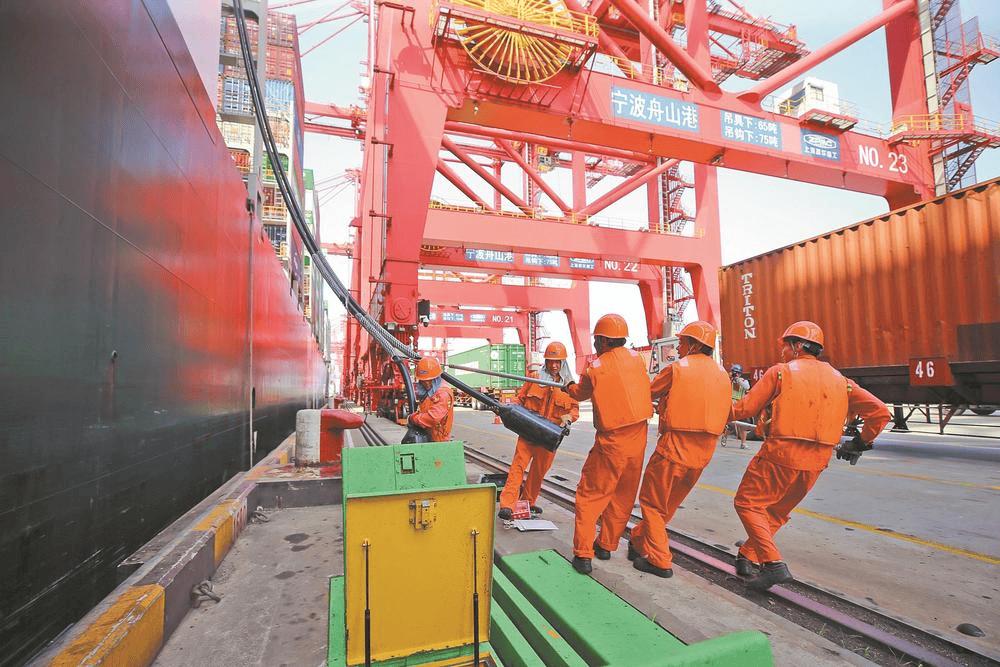
Container terminals – Ships need shore power to run refrigeration units (reefers) while docked. Reliable connectors keep cold chains intact.
-
Ferry docks – Ferries have quick turnaround times. Connectors must be easy to handle, lock securely, and release quickly.
-
Naval bases – Military vessels require higher shock resistance and sometimes EMI shielding. Connectors may need keyed alignment to prevent incorrect mating.
-
Offshore platforms – Oil and gas platforms use shore power when docked for maintenance. The same connectors are also used for platform‑to‑platform power sharing.
A Factory That Actually Makes What It Sells
So who builds these rugged connectors? One manufacturer, based in Liushi, Wenzhou – the heart of China’s low‑voltage electrical industry – has been doing it for years. Their 10,000 m² factory, built in 2010, employs over 500 workers. Monthly production exceeds 100,000 distribution boxes and 80,000 industrial plugs and sockets. They invest USD 150,000 annually in R&D and have their own injection molding machines, ensuring all plastic parts use virgin, high‑grade materials.
Their product lifecycle is driven by Six Sigma, lean principles, and Value‑Based Management. Facilities are equipped with robotic automation, precision machining, and real‑time monitoring. Most products are waterproof to IP67, achieved through a micro‑precision sealing machine that injects silicone directly into the housings.
The engineering team specializes in harsh‑environment interconnect solutions, working closely with clients to develop bespoke designs for military and commercial vessels. Quality certifications include CCC, CB, CE, and ISO 9001, and their brand portfolio spans multiple market segments.
For a shore power high current plug and socket that will see a decade of use, this level of engineering depth and quality control matters.
Installation and Maintenance Tips for Long Life
To get the full service life from these connectors, follow these guidelines:
-
Inspect seals regularly – replace any cracked or flattened gaskets
-
Clean contacts annually – use contact cleaner and a soft brush
-
Check torque on terminals – ferrule crimp terminals rarely need re‑torquing, but verify after first year
-
Rinse with fresh water – if connectors are exposed to salt spray, rinse periodically to prevent salt buildup
-
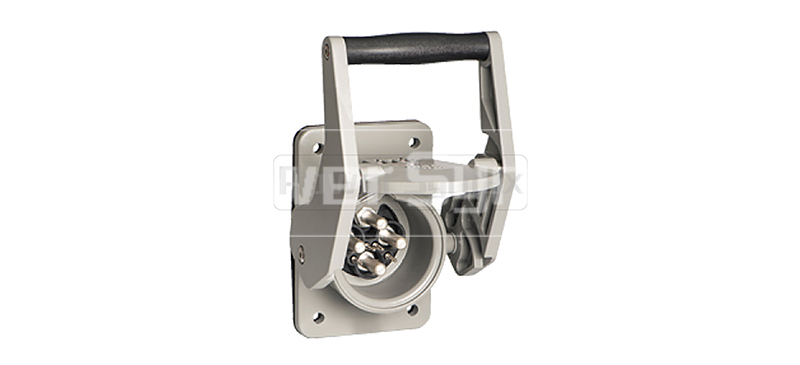
Store with caps – when not in use, cover sockets with protective caps to keep out debris
With proper care, a well‑built marine plug can last 20 years or more.
Your Next Step – Get a Custom Quote
Every port, every ship, every application is different. The manufacturer offers standard high‑current connectors as well as fully customized solutions. Their engineering team can design a plug and socket set that matches your exact current, cable, and environmental requirements.
Request a catalog, a sample, or a custom quote. Ask about their 10‑year warranty on high‑current industrial plugs.