 English
 Pусский
How Do Shore Power High Current Plugs and Sockets Ensure Safe Vessel Connections?
When a ship docks at port, it needs a reliable source of electrical power. That power comes from the shore—and it travels through high current plugs and sockets. These aren‘t ordinary connectors. They’re engineered to handle massive electrical loads in some of the harshest environments on earth: salt spray, rain, humidity, and constant mechanical stress.
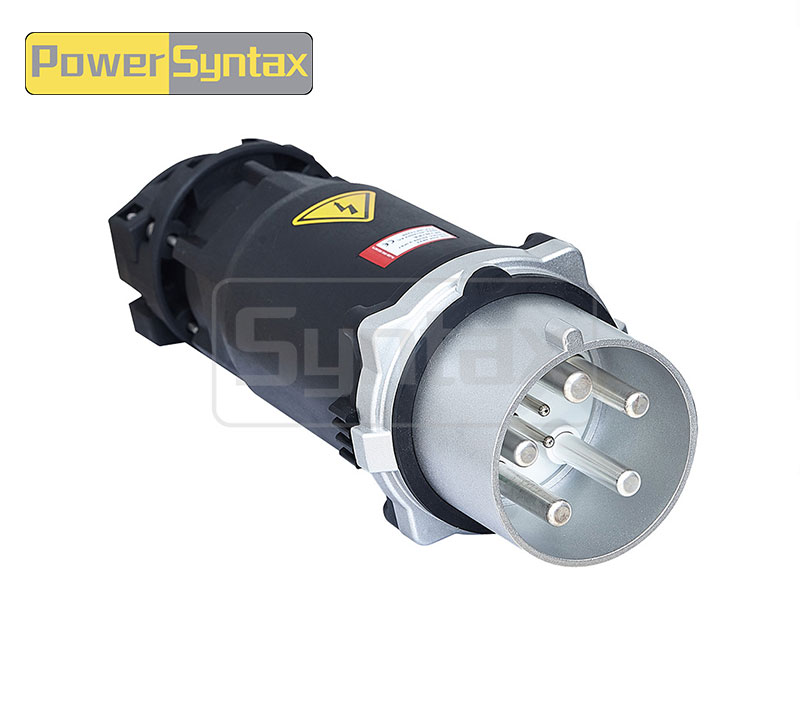
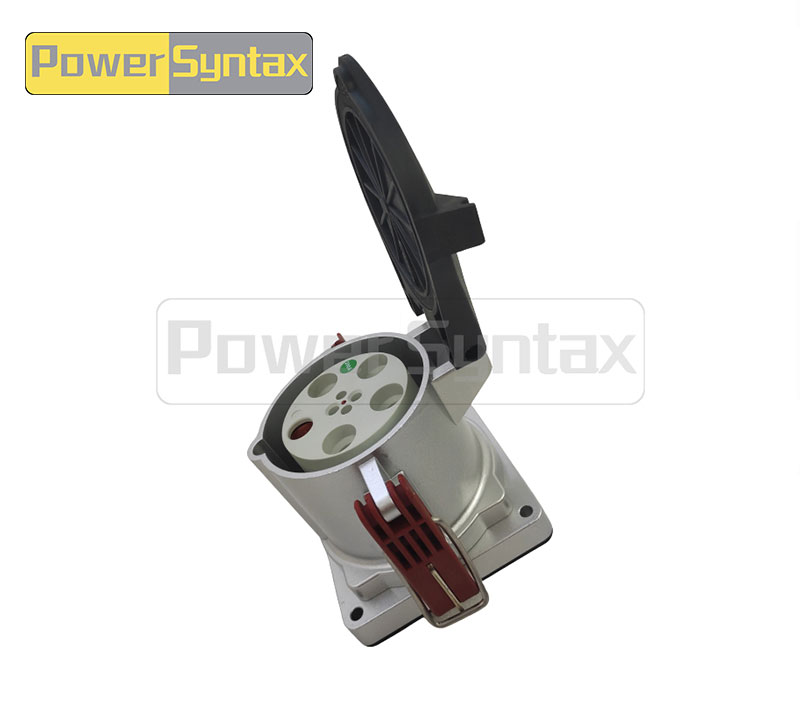
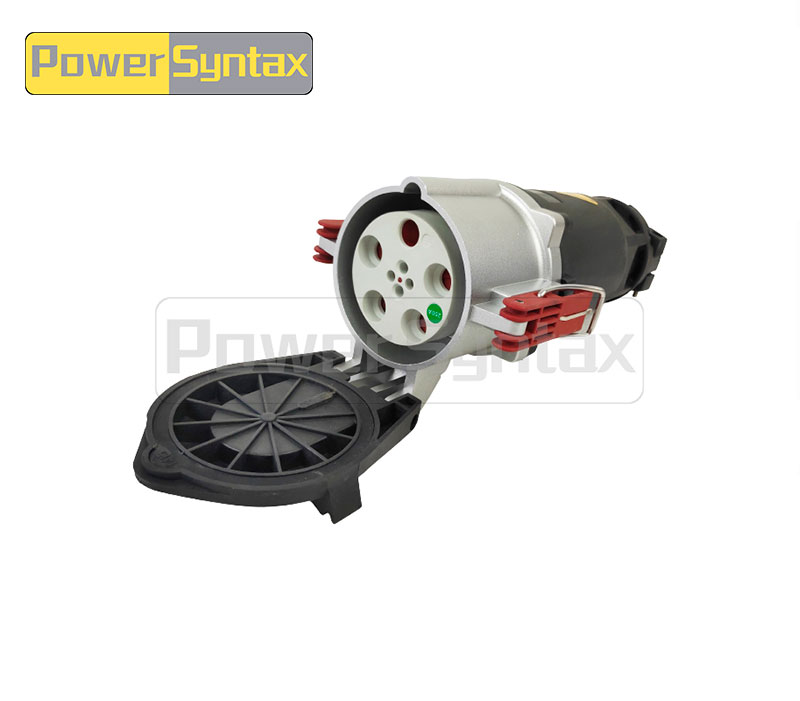
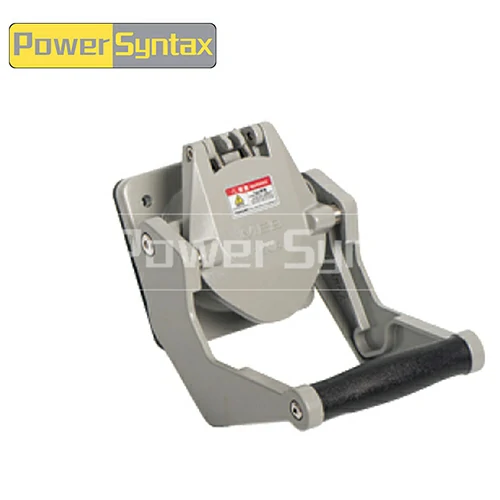
A Shore Power High Current Plugs and Sockets connector is the physical interface between the port‘s electrical infrastructure and the vessel’s onboard power system. Featuring a seawater-resistant design, full-body cast aluminum housing, and IP67 protection, the PowerSyntax MB250A-BP is built for the demanding conditions of military and commercial marine applications.
This guide covers the safety features that ensure reliable vessel connections, the key specifications that matter, the applications they serve, and how to choose the right connector for your vessel or port facility.
Engineered for Survival at Sea
Shore power connectors aren‘t just heavy-duty plugs. They’re engineered for specific challenges that ordinary connectors don‘t face.
Salt Spray? Resisted.
The marine environment is unforgiving. Salt spray, humidity, and constant exposure to moisture are daily realities. The PowerSyntax MB250A-BP features a seawater-resistant design that ensures ultimate electrical reliability in highly corrosive settings. The full-body cast aluminum housing provides robust protection against the elements, while the electropolished finish adds an extra layer of corrosion resistance.
IP67 Sealing — Rain, Spray, or Splash
IP67 is the gold standard for marine connectors. It means the connector is completely dust-tight and protected against immersion in water up to 1 meter. For dock-side shore power connections and vessel installations, this level of protection ensures that rain, splashing, and even temporary flooding won‘t compromise the connection. The seal is maintained at the cable entry point, keeping moisture and contaminants out of the electrical interface.
Flexible Terminals — 70 to 185 mm²
The MB250A-BP supports optional crimp terminals from 70mm² to 185mm². This flexibility allows the connector to accommodate different cable sizes and installation requirements, making it adaptable to a wide range of vessel types and power configurations.
250A, 400V, IP67 — The Specs That Count
The numbers tell the story of what these connectors can do. Here’s what you need to know.
250A Continuous — Power That Stays On
The MB250A-BP is rated at 250A. This is the continuous current capacity—the amount of power the connector can carry without overheating. For comparison, a standard industrial plug might be rated at 16A or 32A. 250A represents a significant step up in capability, suitable for medium to large vessels with substantial power requirements.
400V — Built for Three-Phase Systems
The standard voltage rating is 400V, matching the three-phase power distribution used in most marine and industrial applications. This voltage capacity ensures the connector can handle the power demands of vessel systems, from lighting and HVAC to navigation and communications equipment.
4 Poles — 3 Phases + Ground
The 4-pole configuration means three phases plus an earth/ground connection. This is the standard for three-phase shore power systems. The 3P+E format provides the phase conductors needed for three-phase equipment and a dedicated ground for safety.
| Specification | MB250A-BP |
|---|---|
| Product Type | Panel Mounted Male Socket |
| Pole Format | 4P = 3P+E |
| Current Rating | 250A |
| Voltage Rating | 400V |
| Protection Grade | IP67 |
| Housing | Full-body cast aluminum, seawater-resistant |
| Terminal Options | Crimp terminals 70mm² – 185mm² |
| Standards | IEC 309-5, EN 60309-5, GB/T 11918.5 |
Compliance That Covers You Across Borders
Quality shore power connectors meet international standards that ensure safety and interoperability.
One Standard, Multiple Markets
The PowerSyntax shore power plugs and sockets comply with IEC 309-5, EN 60309-5, and GB/T 11918.5. These standards govern the design, construction, and testing of plugs and sockets for shore power connections. Compliance ensures that connectors from different manufacturers can work together safely and that the connector meets the rigorous requirements of marine applications.
What the Standards Actually Require
These international standards address mechanical and electrical strength, protection against electric shock, resistance to environmental factors, marking and documentation requirements, and interchangeability requirements. For port operators and vessel owners, using compliant connectors reduces the risk of incompatible connections, electrical faults, and safety incidents.
Why Compliance Is Non-Negotiable
For marine and industrial applications, compliance isn‘t optional—it’s essential. Using connectors that meet IEC 309-5, EN 60309-5, and GB/T 11918.5 ensures that your shore power system meets international safety standards and simplifies procurement across different regions.
From Warships to Cargo — Real-World Applications
Shore power connectors serve a range of applications across the maritime industry.
Military and Commercial Vessels
Engineered for marine and dockside environments, shore power connectors deliver safe, continuous power for military and commercial vessels. From naval ships to cargo vessels, these connectors provide the reliable power connection needed for onboard systems.
Cruise Ships and Ferries
Cruise ships and ferries have significant power requirements—lighting, HVAC, galley equipment, entertainment systems. Shore power connectors provide the high-current connection needed to keep these systems running while passengers are aboard.
Port Infrastructure
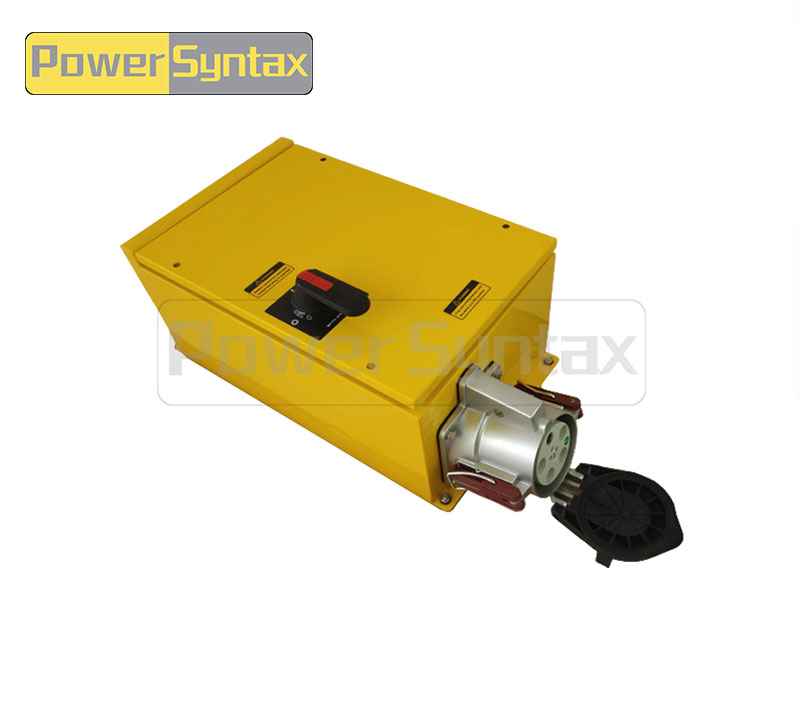
Shore power connectors are installed on dock-side power pedestals, connection cabinets, and vessel connection panels. They‘re the interface between the fixed port infrastructure and the mobile vessel. The seawater-resistant design ensures long-term reliability in exposed dock locations.
What Marine Engineers Ask Most
What’s the difference between a plug and a socket in shore power?
In shore power terminology, the plug is typically the male connector on the cable end that connects to the vessel. The socket is the female connector, often panel-mounted on the vessel or the dock-side power pedestal. The MB250A-BP is a panel-mounted male socket, designed for installation on a vessel or equipment panel.
Why is IP67 important for shore power connectors?
The marine environment exposes connectors to salt spray, rain, condensation, and occasional water immersion. IP67 provides dust-tight sealing and protection against immersion in water up to 1 meter. This ensures reliable operation even in wet conditions and prevents water ingress that could cause short circuits or corrosion.
Can shore power connectors be customized for different cable sizes?
Yes. The MB250A-BP supports optional crimp terminals from 70mm² to 185mm². This flexibility allows the connector to accommodate different cable sizes and installation requirements, making it adaptable to a wide range of vessel types and power configurations.
Request a Quote for Your Shore Power Project
The right shore power connector makes the difference between a reliable vessel connection and a recurring problem. Whether you’re specifying connectors for a new vessel build, upgrading existing port infrastructure, or replacing worn components, the PowerSyntax MB250A-BP offers the durability and compliance that maritime applications demand.
HYPER Electrical manufactures shore power high current plugs and sockets under the PowerSyntax brand. The MB250A-BP panel-mounted male socket is engineered for marine and dockside environments, featuring seawater-resistant design, full-body cast aluminum housing, IP67 protection, and compliance with IEC 309-5, EN 60309-5, and GB/T 11918.5. For new vessel builds or port infrastructure upgrades, shore power connectors are a critical component. They need to handle high currents, withstand harsh conditions, and provide safe, reliable connections every time. The PowerSyntax range offers the durability and compliance that maritime applications demand.
Reach out to HYPER Electrical‘s team — they can provide technical data, certification documentation, and guidance on selecting the right connector for your vessel or port application.