
Why Shore Power High Current Plugs and Sockets Matter
You've seen them on dockside power pedestals and ship connection panels—those robust, industrial-looking connectors that carry electricity from shore to vessel. But why do they matter so much?
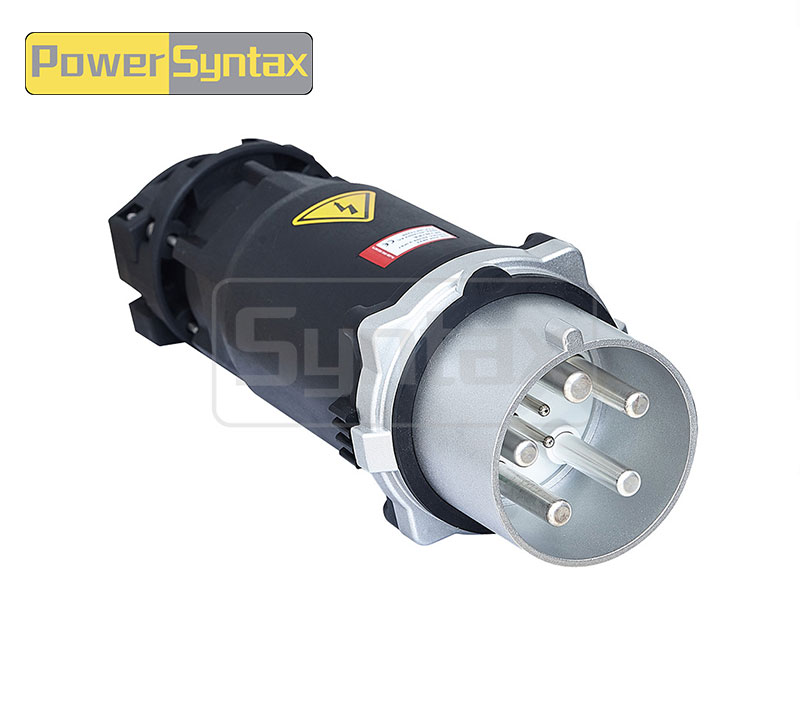
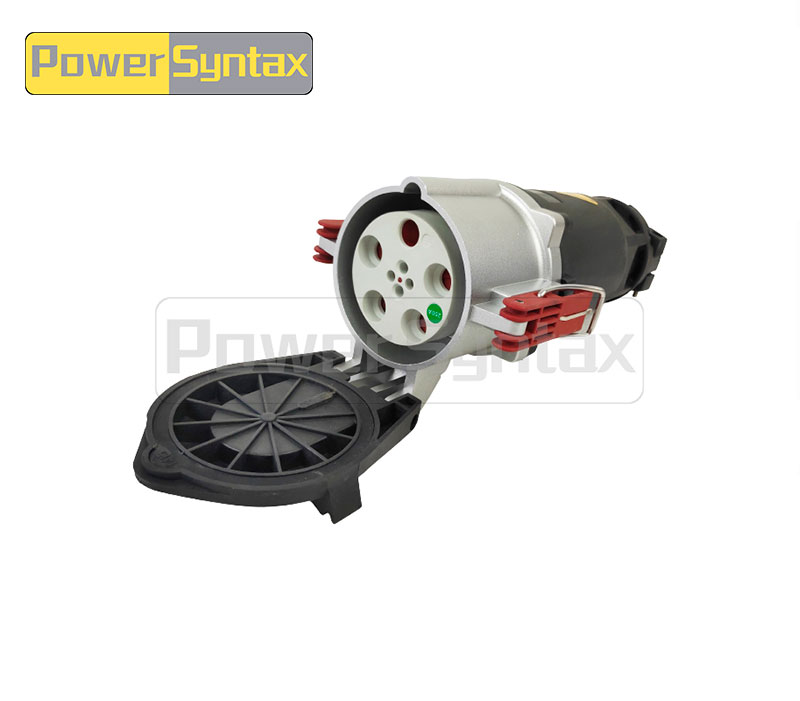
Shore Power High Current Plugs and Sockets are the physical interface between the port's electrical infrastructure and the vessel's onboard power system. Without them, ships would have to run their auxiliary engines while in port, burning fuel and emitting pollutants. With them, vessels can shut down their generators and draw clean electricity from the shore grid. That's the big picture—and the reason these connectors are becoming essential for modern port operations.
The difference between a good connection and a bad one is significant. A reliable shore power connector ensures consistent power delivery, reduces the risk of electrical faults, and stands up to the marine environment for years. A poor connector can cause overheating, power interruptions, corrosion-related failures, and even safety incidents. When you're dealing with currents of 350A or more, the margin for error is small.
In this guide, we'll walk through why these connectors matter—their role in vessel operations, the environmental and cost benefits they enable, and the key specifications that define quality. By the end, you'll understand why choosing the right shore power connector isn't just a procurement decision—it's an operational imperative.
The Role of Shore Power Connectors in Vessel Operations
Shore power connectors serve a fundamental purpose: they transfer electricity from the shore to the vessel. But their role goes far beyond simple power transmission.
Enabling Cold Ironing
Cold ironing—the practice of shutting down a ship's auxiliary engines while in port and connecting to shore power—is only possible with reliable, high-current connectors. The connector carries the electrical load that would otherwise be generated onboard, allowing the vessel to operate on cleaner grid power. This reduces emissions, noise, and fuel consumption.
Supporting Onboard Systems
Modern vessels have significant power requirements. Lighting, HVAC, galley equipment, navigation systems, communication gear, and passenger amenities all need electricity. Shore power connectors must deliver enough current to support these systems continuously throughout the vessel's stay in port.
Enabling Compliance with Environmental Regulations
Many ports and regions now mandate shore power usage for vessels at berth. Connectors are the enabling technology that makes this compliance possible. Without reliable shore power connections, vessels can't meet emission reduction requirements.
Facilitating Fast, Safe Connections
A well-designed shore power connector allows for fast connection and disconnection, minimizing the time needed to switch between ship power and shore power. Safety features like IP67 sealing and IK10 impact resistance ensure that connections remain safe even in adverse weather.
Why the Right Connector Matters
The connector itself is a critical component. Choosing the wrong one can compromise the entire shore power system.
Power Delivery Reliability
A connector that's under-specified for the vessel's load will overheat. Overheating leads to increased resistance, voltage drop, and eventually, failure. A 350A connector like the MB350A-AS is rated for its current capacity, but using it at or near its limit requires proper installation and maintenance.
Durability in the Marine Environment
The marine environment is one of the harshest operating conditions for electrical equipment. Salt spray corrodes metal components. Moisture causes short circuits. UV radiation degrades insulation. A high-quality shore power connector uses marine-grade materials that resist these threats.
Safety and Protection
Connectors that carry high currents generate heat. They also pose shock hazards if not properly designed. IP67 protection ensures that water doesn't enter the connector, reducing the risk of short circuits. The connector design also prevents accidental contact with live parts.
Interoperability
Compliance with standards like IEC 60309-5 ensures that connectors from different manufacturers can work together. This is essential for vessels that visit multiple ports—the ship's connector needs to mate with whatever connector is installed on the dock.
Key Technical Specifications That Define Quality
Understanding the specifications helps you evaluate different connectors and choose the right one for your application.
Current Rating – 350A
The MB350A-AS is rated at 350A. This is a common rating for medium to large vessels, balancing power delivery with manageable connector size. It's sufficient for most port-side power requirements, from cruise ships to cargo vessels.
Voltage – 380V to 415V (Customizable)
The standard voltage range is 380V to 415V, with customization available up to 1000V. This flexibility allows the connector to match different port power systems and vessel requirements.
Pole Configuration – 4P (3P+E)
The 4-pole configuration means three phases plus an earth/ground connection. This is the standard for three-phase shore power systems.
Protection – IP67 and IK10
IP67 provides dust-tight protection and resistance to temporary immersion. The connector also carries an IK10 impact resistance rating, meaning it can withstand significant mechanical impact without damage. This is important in busy port environments where connectors can be bumped or dropped.
| Specification | MB350A-AS |
|---|---|
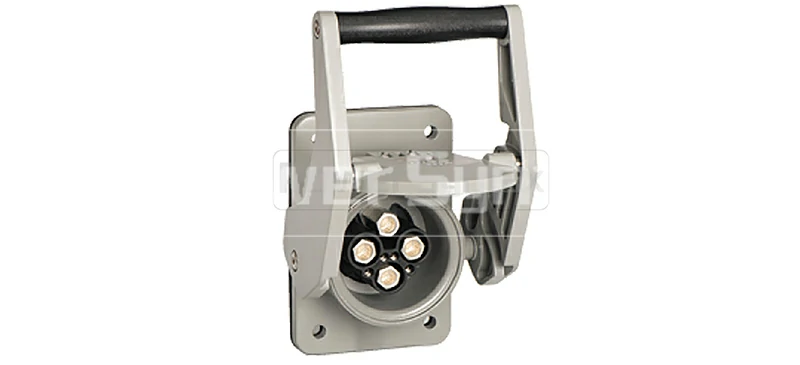
| Product Type | Panel Mounted Female Socket |
| Pole Format | 4P = 3P+E |
| Current Rating | 350A |
| Voltage Rating | 380V ~ 415V (customizable up to 1000V) |
| Protection Grade | IP67 |
| Impact Resistance | IK10 |
| Standards | GB/T 11918.5, IEC 60309-5 |
Standards and Compliance – Why They Matter
Standards exist to ensure safety, interoperability, and performance. Using compliant connectors reduces risk and simplifies procurement.
GB/T 11918.5 and IEC 60309-5
The PowerSyntax shore power plugs and sockets have GB/T 11918.5 qualification approval and comply with IEC 60309-5. These standards govern the design, construction, and testing of plugs and sockets for shore power connections. Compliance ensures that connectors from different manufacturers can work together safely.
What These Standards Cover
IEC 60309-5 specifically addresses plugs, socket-outlets and couplers for industrial and similar applications, including shore power connections. The standard covers:
-
Mechanical and electrical strength
-
Protection against electric shock
-
Resistance to environmental factors
-
Marking and documentation requirements
-
Interchangeability requirements
Why Compliance Matters
For port operators and vessel owners, using compliant connectors reduces the risk of incompatible connections, electrical faults, and safety incidents. It also simplifies procurement—you know that a compliant connector will work with compliant infrastructure.
Where These Connectors Are Used
Shore power connectors serve a range of applications across the maritime industry.
Commercial Shipping
Cargo vessels, container ships, and bulk carriers use shore power when in port to run onboard systems without running auxiliary engines. This reduces emissions and noise in port areas.
Cruise Ships
Cruise ships have significant power requirements—lighting, HVAC, galley equipment, entertainment systems. Shore power connectors like the MB350A-AS provide the high-current connection needed to keep these systems running while passengers are aboard.
Ferries and Ro-Ro Vessels
Ferries that make frequent port calls benefit from reliable, quick-connect shore power systems. The connectors need to be durable enough for repeated use and exposure to the marine environment.
Port Infrastructure
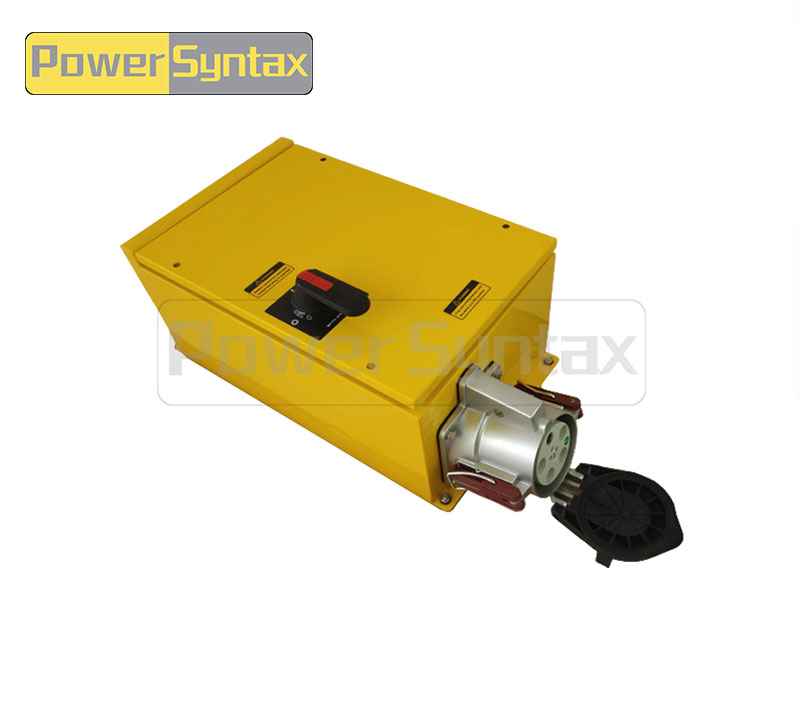
Shore power connectors are installed on dock-side power pedestals, connection cabinets, and vessel connection panels. They're the interface between the fixed port infrastructure and the mobile vessel.
Questions Port Operators and Vessel Owners Ask
Why are shore power connectors rated IP67?
The marine environment exposes connectors to salt spray, rain, condensation, and occasional water immersion. IP67 provides dust-tight sealing and protection against immersion in water up to 1 meter. This ensures reliable operation even in wet conditions and prevents water ingress that could cause short circuits or corrosion. It's a fundamental safety requirement for any connector used in exposed marine locations.
What happens if I use a connector with a lower current rating than my vessel needs?
The connector will overheat. Over time, this leads to increased resistance, voltage drop, insulation degradation, and eventual failure. In the worst case, overheating can cause a fire. Always match the connector's current rating to the vessel's maximum load, with some margin for safety. The 350A rating of the MB350A-AS provides capacity for substantial vessel loads.
Why is IEC compliance important for shore power connectors?
IEC compliance ensures that the connector meets international standards for safety and performance. It also guarantees interoperability—a compliant connector from one manufacturer will work with compliant equipment from another manufacturer. For vessels that visit multiple ports, this interoperability is essential. The MB350A-AS meets GB/T 11918.5 and IEC 60309-5, providing confidence that it will work with compliant shore power infrastructure.
Choosing the Right Connector for Your Application
With a range of current ratings and configurations available, selecting the right connector requires careful consideration.
Match the Current Rating to Your Load
The MB350A-AS is rated at 350A. This is suitable for medium to large vessels with significant power requirements. If your vessel has lower power demands, a 250A or 200A connector might be sufficient. For larger vessels with higher loads, 400A or 500A connectors are available.
Consider the Mounting Configuration
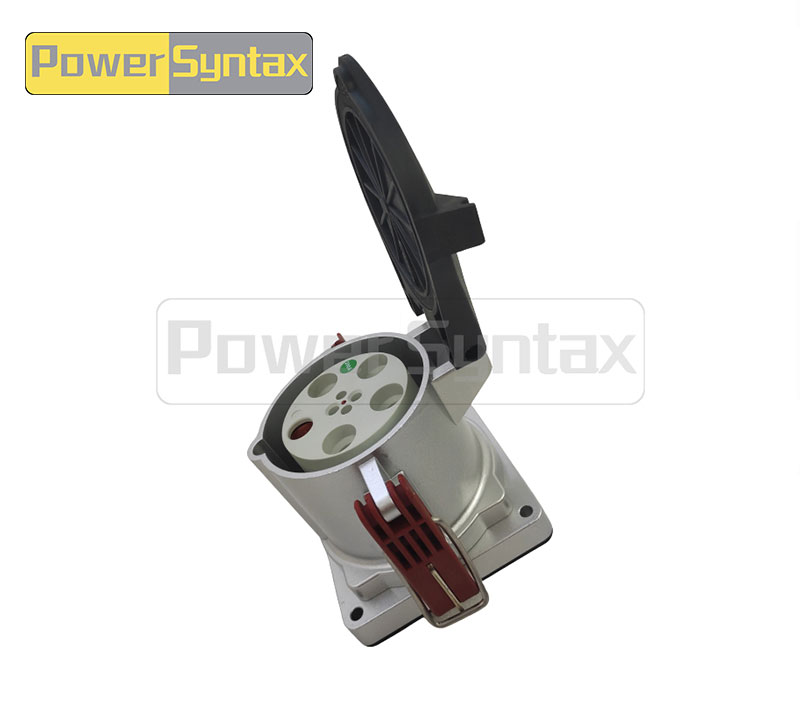
Panel-mounted sockets like the MB350A-AS are designed for installation on equipment panels or vessel bulkheads. Cable-mounted plugs and connectors are also available for flexible cable connections. The right choice depends on your installation requirements.
Look for Quality Construction
Durable, corrosion-resistant materials are essential for marine applications. The PowerSyntax range is known for building the most durable high current plugs and sockets on the market. When evaluating connectors, consider the materials used—marine-grade components that resist salt corrosion will last longer in service.
HYPER Electrical manufactures shore power high current plugs and sockets under the PowerSyntax brand. These connectors meet GB/T 11918.5 and IEC 60309-5 standards, with IP67 protection and IK10 impact resistance. The MB350A-AS panel-mounted female socket is part of this range, designed for high-current shore power applications in demanding marine environments.
For new vessel builds or port infrastructure upgrades, shore power connectors are a critical component. They need to handle high currents, withstand harsh conditions, and provide safe, reliable connections every time. The PowerSyntax range from HYPER Electrical offers the durability and compliance that maritime applications demand. Whether you're specifying connectors for a new vessel or upgrading an existing shore power system, choosing connectors with the right rating, protection, and standards compliance will ensure safe, efficient operation for years to come.
Ready to specify shore power connectors for your project? Reach out to HYPER Electrical's team—they can provide technical data, certification documentation, and guidance on selecting the right connector for your vessel or port application.